Trade desk · Established within Oceania Trading Limited

Important stones,
kept loose.


Rough, polished, graded, disclosed — handled at one desk, recorded in one file, routed through the laboratories that the trade reads first.

Principal cushion-cut white diamond on velvet
— I —

A desk, not a storefront.


Department of Diamonds is the diamond arm of Oceania Trading Limited. Parcels move through Antwerp, Mumbai and Auckland. Stones are bought rough, polished under our oversight or to client specification, and shipped under GIA, HRD or IGI reports. Trade-only by default, opened to private clients by introduction.

— II —

Four lines, kept apart.


Rough, polished natural, polished lab-grown, fancy colour. Each line moves under its own paperwork, its own laboratory, and its own price book.

Rough diamond parcel under desk light
i.

Rough parcels.


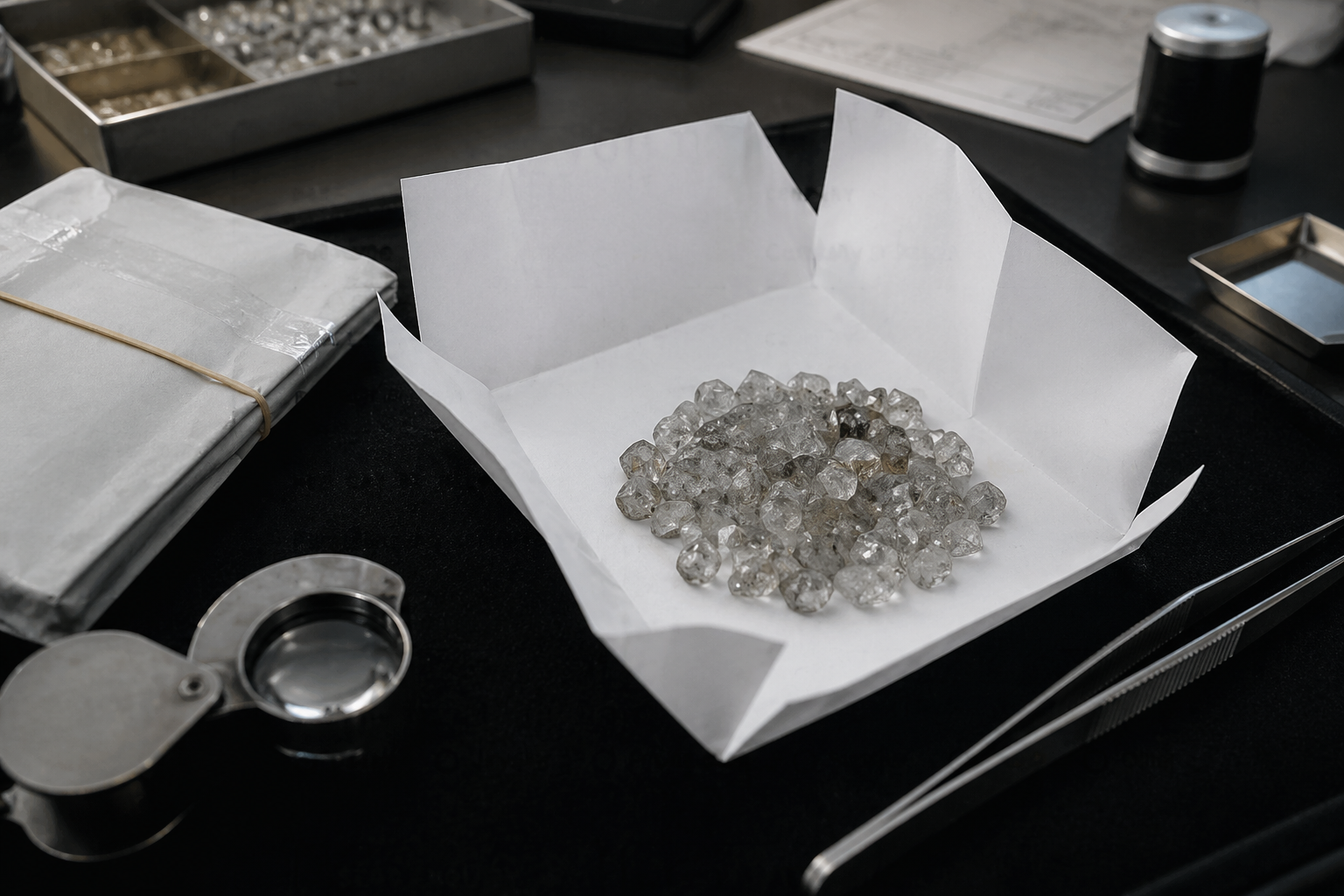
Reviewed under desk light, planned with marker lines and final-yield logic, referenced against De Beers book and sight comparables. Sold parcel-first to dealers; broken to specific stones for matched suite work on request.

KP-paperSight comparablesPlanning files
Polished natural diamonds
ii.

Polished, natural.


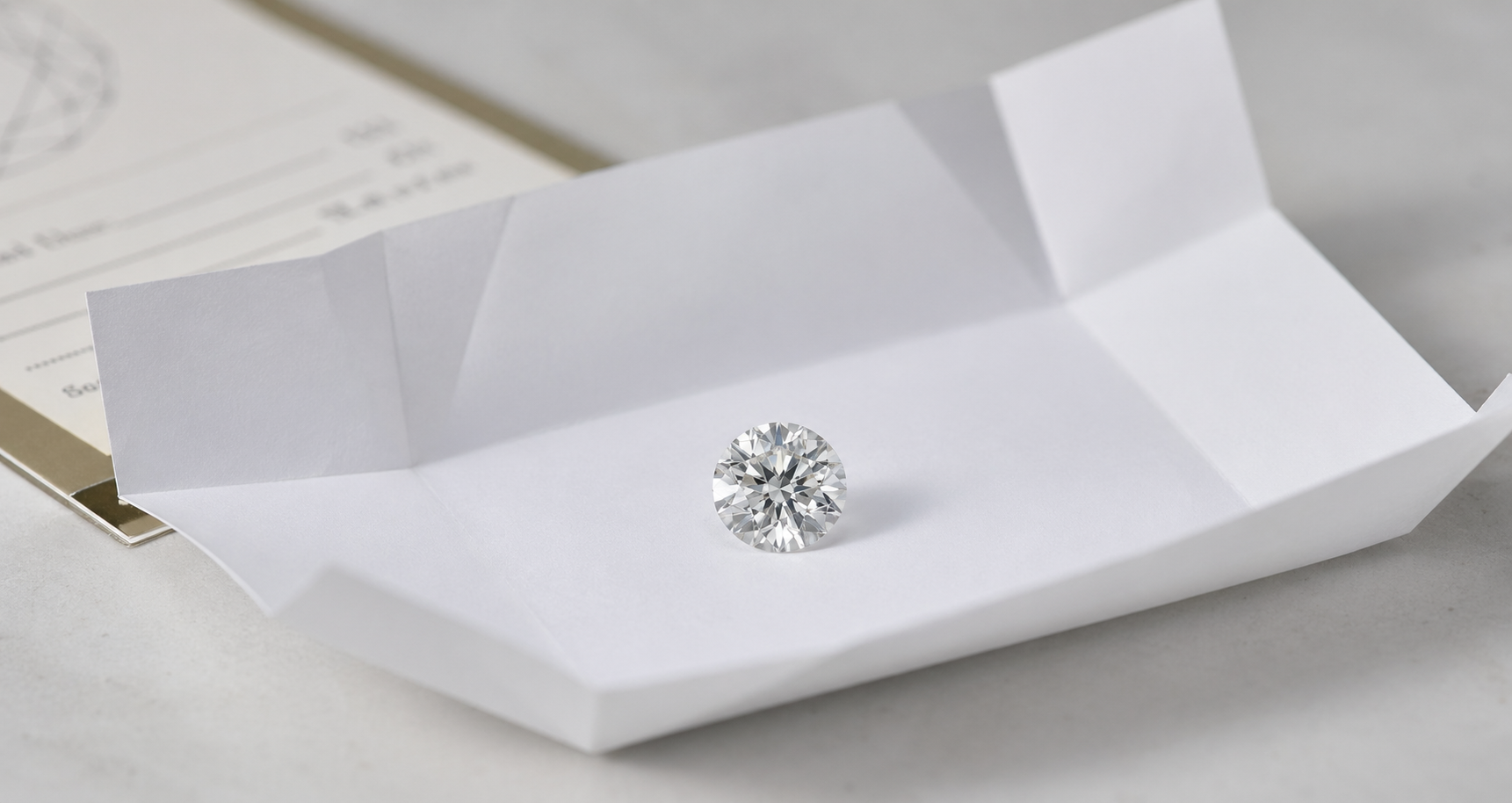
Standard-make and ideal-make rounds, fancies on request. Cuts overseen at our own benches or to a stated factory programme. Each stone shipped under GIA or HRD report, with a desk file that tracks it from rough to invoice.

GIA · HRDStandard / IdealMemo trade
Polished lab-grown diamonds
iii.

Polished, lab-grown.


A separate desk programme. CVD and HPHT material, IGI-graded, with origin and growth-method always disclosed in writing. Routed to its own price book; never co-mingled with natural inventory.

IGICVD · HPHTDisclosed in writing
Fancy colour diamonds
iv.

Fancy colour.


Pinks, yellows, blues, browns and rare colour grades held for principal-stone placement. Viewing by introduction; full provenance file with each stone, including treatment status and laboratory comments.

By introductionTreatment disclosedProvenance file
— III —

The four C's, at the desk.


How weight, colour, clarity and cut are read when you are looking at a parcel rather than a campaign.

C.

Weight is where the desk starts.


Carat tells us what we have before we open the parcel. Targets are set in writing — sieve range for parcels, exact weight for principal stones — and matched to the report at exit.

C.

Colour needs two languages.


D-to-Z for whites, fancy intensity grades for everything else. Master stones held in-house; lab letters carried alongside. We write to whichever language the stone actually belongs in.

C.

Clarity belongs under tools.


10× loupe, microscope where it matters, plotted diagrams for principal stones. We do not soften clarity calls in copy — the desk reads what the lab reads, in the same room.

C.

Cut is the only C the cutter truly owns.


Make, polish and symmetry are reviewed against the planning file, not just the report. PrecisionCut, our lapidary house, recuts and re-polishes when the rough deserves it.

— IV —

Plan. Grade. Record.


Three movements that follow every stone, from rough through report to invoice.

Rough diamond planning
— i — Planning

Map the rough.


Marker lines, planning logic, loss decisions. The desk records intent before the wheel touches the stone, so the polished outcome can be checked against the original brief.

Polished diamond with report folder
— ii — Grading

Grade the result.


Polished stones are read against the planning file before they leave the desk, then routed to GIA, HRD or IGI by line. Lab choice is decided in advance, never to flatter the result.

Traceability paperwork
— iii — Record

Keep the file.


Cards, envelopes and lot paperwork travel with the stone. The book of record follows the material instead of being reconstructed after the fact — which is what makes the file enforceable.

— V —

Warrant & trust.


The discipline behind the description: tools, paperwork, and the laboratories chosen for each line.

Grading tools
Verification

Desk tools under neutral light.


Master stones, tweezers, loupe, microscope. Stones are read in the same conditions the lab reads them in, so internal calls and certificate calls agree on language.

Traceability paperwork
Chain of custody

Paper trail carried with the lot.


Lot cards, parcel envelopes, planning files. Origin and movement are written down at the moment they happen; nothing is reconstructed at the end of the trade.

GIA, HRD, IGI reports
Lab routing

GIA, HRD, IGI — by line.


Natural goods to GIA or HRD; lab-grown to IGI. The choice is set per line and disclosed up-front, so the report a buyer reads matches the report we asked for.

— VI —

Working with the desk.


Three doors open into the same room.

— i —

Memo and price-book trade.


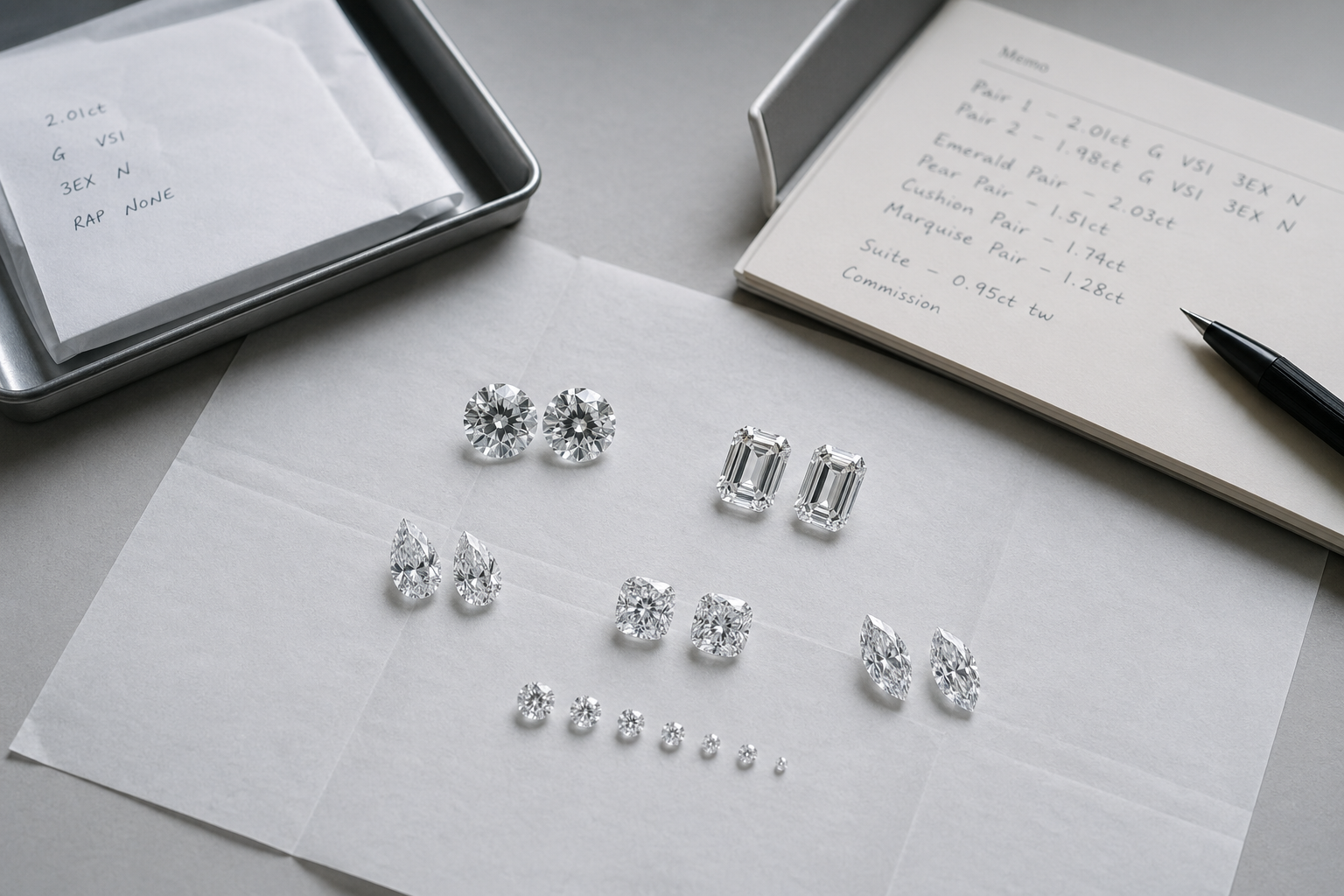
Rapaport and IDEX referenced openly. Parcel-in / parcel-out movement, trade accounts handled as operating relationships rather than one-off enquiries.

— ii —

Principals and matched suites.


For jewellers and houses. Collection work, matched pairs, lab placement, routing between natural and lab-grown lines with clean disclosure.

— iii —

Single-stone viewing.


For introduced private buyers. Important whites and fancy colours handled by appointment, with finished-piece commissions routed outward through Maison Suppiah.

— VII —

Brief the desk.


Tell us what you are looking at, or looking for. The desk replies within two working days.

Enquiry

A note to the desk.


Reply within two working days.